
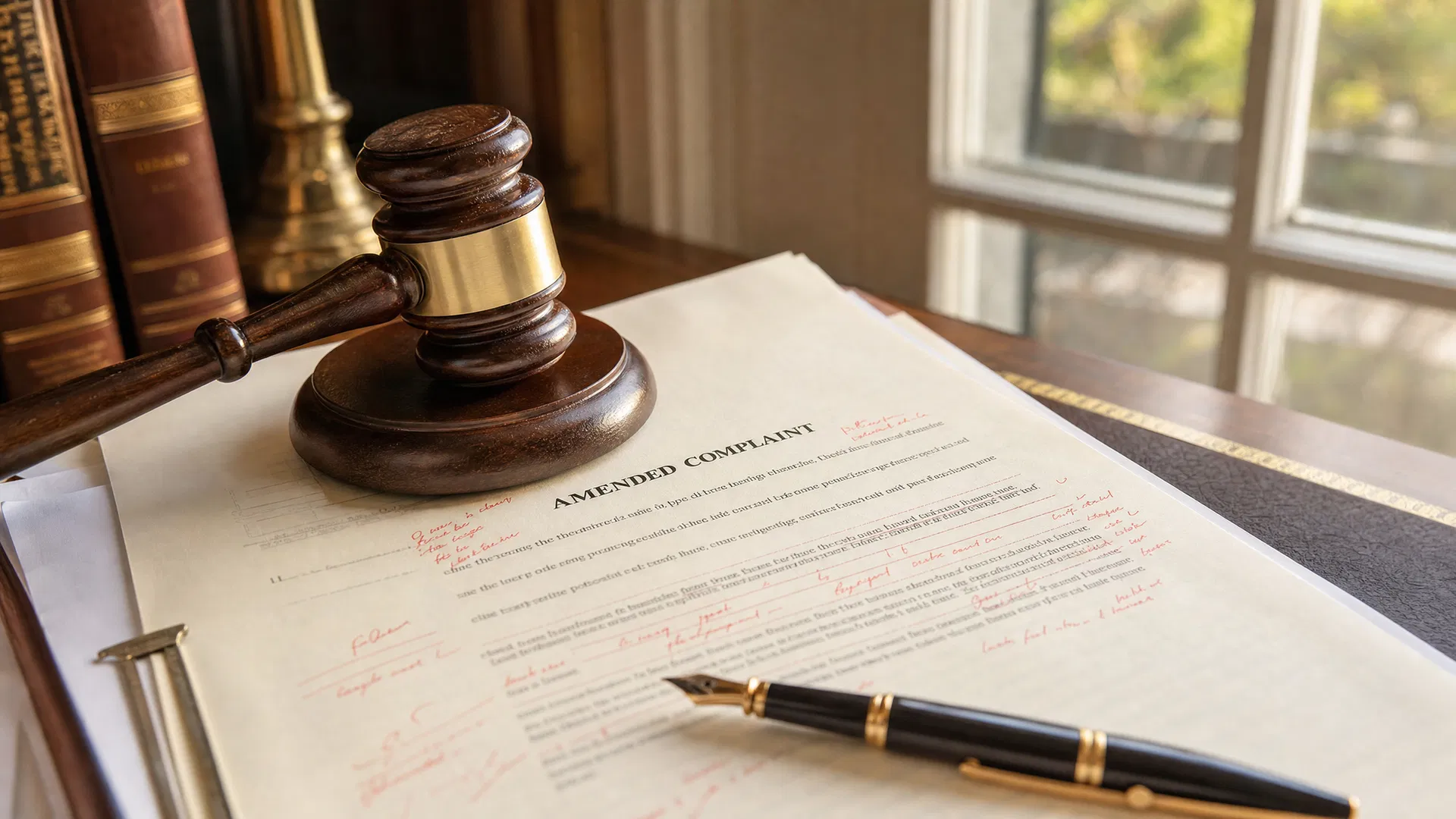
Life rarely remains static after a divorce or family law judgment is finalized. As circumstances evolve, the terms established in your original court order may no longer reflect your current reality or serve your family's best interests. In California, the legal system recognizes this fluidity by allowing for post-judgment modifications under specific conditions. However, understanding what can be modified, the legal standards required, and the proper procedures to follow is crucial for a successful outcome.
For residents of Beverly Hills and the greater Los Angeles area, navigating the complexities of modifying a divorce order in California requires strategic legal guidance. This article explores the nuances of post-judgment modifications, the "changed circumstances" standard, and the importance of adhering to formal legal processes.
What Orders Can Be Modified?
Not all aspects of a final judgment are subject to modification. California law distinguishes between orders that are modifiable and those that are generally final and binding.
Modifiable Orders
The court retains jurisdiction to modify orders related to the ongoing support and care of children and former spouses. These include:
- Child Custody and Visitation: Under California Family Code Section 3022, the court may modify or make new child custody orders if it is necessary or proper in the child's best interest.
- Child Support: Child support orders are always modifiable upon a showing of a material change in circumstances, as mandated by Family Code Section 3651. Even if parents agree to a non-modifiable child support amount, the court retains the power to modify it to ensure the child's needs are met.
- Spousal Support (Alimony): Unless the parties have explicitly agreed in writing (or via an oral agreement in open court) that spousal support is non-modifiable, the court may modify or terminate spousal support orders under Family Code Section 3651.
Non-Modifiable Orders
Conversely, certain elements of a divorce judgment are typically final and cannot be modified once the judgment is entered and the time for appeal has passed.
- Property Division: The division of community property and debts is generally final. Absent fraud, duress, perjury, or a failure to disclose assets (which may warrant setting aside the judgment under Family Code Section 2122), you cannot modify a property division order simply because you later regret the agreement or because the value of an asset has changed.
The "Changed Circumstances" Standard
To successfully modify a divorce order in California, the requesting party must generally demonstrate a "material change of circumstances" since the original order was made. This legal standard ensures that court orders are not subject to constant relitigation while allowing for necessary adjustments when life events dictate.
Common Grounds for Modification
Several significant life events may constitute a material change in circumstances:
- Job Loss or Income Reduction: A substantial decrease in income, such as an involuntary job loss or a reduction in work hours, can be grounds to modify child or spousal support. Conversely, a significant increase in the paying spouse's income or the receiving spouse's income may also warrant a modification.
- Relocation (Move-Away Cases): If a custodial parent intends to relocate with the child, this often triggers a request to modify custody and visitation orders. The court will evaluate the move under the standard set forth in In re Marriage of LaMusga (2004) 32 Cal.4th 1072, focusing on whether the relocation is in the child's best interest.
- Remarriage or Cohabitation: The remarriage of a spouse receiving alimony typically terminates the spousal support obligation by operation of law (Family Code Section 4337). Furthermore, under Family Code Section 4323, cohabitation with a non-marital partner creates a rebuttable presumption of a decreased need for spousal support.
- Changes in Children's Needs: As children grow, their educational, medical, or extracurricular needs may change significantly, justifying a modification of child support or custody arrangements.
How to File a Request for Order
Modifying a court order requires formal legal action. You cannot simply agree with your ex-spouse to change the terms without court approval, as informal agreements are generally unenforceable.
To initiate a modification, you must file a Request for Order (RFO) (Form FL-300) with the family court. The RFO must clearly state the orders you are seeking to modify and provide a detailed factual basis—supported by a sworn declaration—demonstrating the material change in circumstances.
If the modification involves financial matters (child or spousal support), you must also file a current Income and Expense Declaration (Form FL-150) and provide supporting financial documents, such as recent pay stubs and tax returns.
Once filed, the RFO must be formally served on the other party, who will have an opportunity to file a responsive declaration. The court will then hold a hearing to consider the evidence and make a ruling.
The Danger of "Self-Modifying"
One of the most critical mistakes individuals make is engaging in "self-modification." This occurs when parties informally agree to change support payments or custody schedules without obtaining a new court order.
Practical Takeaway: You must continue to comply with the existing court order until a judge signs a new order.
If you unilaterally reduce your support payments because you lost your job, you will accrue arrears (past-due support) along with statutory interest at the legal rate of 10% per annum pursuant to Code of Civil Procedure section 685.010 and Family Code section 155. The court cannot retroactively modify support to a date earlier than the date you filed and served the RFO (Family Code section 3653).
Strategic Legal Guidance in Beverly Hills
Navigating post-judgment modifications requires a thorough understanding of California Family Code and local court procedures. Whether you are seeking to modify an order or defending against a requested modification, securing experienced legal representation is essential to protect your rights and achieve a favorable outcome.
If you need to modify a divorce order in California, our firm can evaluate your changed circumstances, advise you on the likelihood of success, and guide you through the legal process. For more information on our services, please visit our Post-Judgment Modifications practice area page.
Schedule a complimentary 15-minute phone consultation. In-depth case strategy sessions are available at a flat fee. Contact Barsamyan Family Law at (424) 600-0019 or schedule online at barsamyanfamilylaw.com/contact.
This article is for informational purposes only and does not constitute legal advice. Every situation involves unique facts and circumstances. Consult with a qualified attorney before making legal decisions.